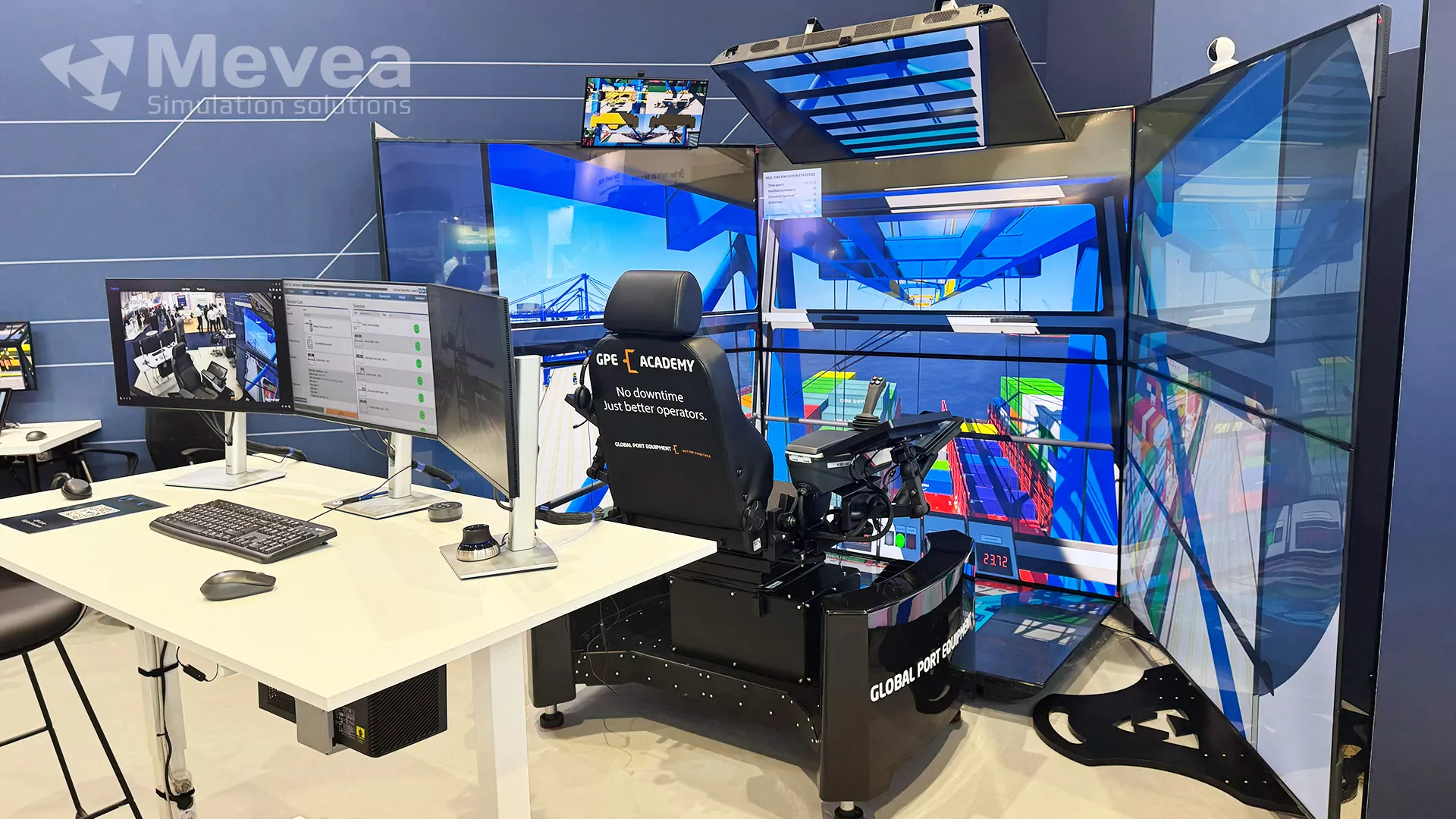
Heavy equipment simulators significantly improve operator safety by creating risk-free training environments where operators can practise dangerous scenarios without physical harm. Physics-based simulator technology provides realistic feedback that builds crucial safety skills and hazard-recognition abilities. Motion platform simulators offer the most comprehensive safety training, combining authentic physical sensations with controlled learning conditions that translate directly into workplace accident prevention.
What Makes Port Equipment Simulators More Effective for Safety Training Than Traditional Methods?
Port equipment simulators excel at safety training because they allow crane and reach stacker operators to experience hazardous situations without real-world consequences. Simulator technology creates authentic operating conditions where trainees can practise emergency responses, equipment failures, and dangerous weather scenarios repeatedly until they master proper safety protocols.
Traditional on-equipment training exposes new operators to genuine risks while they are still learning. Simulators eliminate this danger completely. Our physics-based simulation recreates the exact mechanical behaviour, hydraulic responses, and environmental factors operators encounter in real port operations. This means trainees develop muscle memory and decision-making skills in a completely safe environment.
Motion platforms add crucial physical feedback that desktop systems cannot provide. When an operator makes a mistake that would cause equipment instability, they feel realistic motion and vibration. This sensory experience creates lasting impressions that improve hazard recognition and safety awareness when they transition to real equipment.
How Do Motion Platform Simulators Reduce Workplace Accidents in Port Operations?
Motion platform simulators reduce workplace accidents by developing operators’ instinctive responses to dangerous situations through realistic physical feedback. The combination of visual, auditory, and motion cues creates comprehensive training experiences that build proper safety reflexes and improve hazard recognition skills in controlled environments.
The motion platform replicates the physical sensations operators experience during crane or reach stacker operation, including vibrations, tilting, and sudden movements. When trainees encounter simulated hazards such as unstable container loads or wind conditions, they feel authentic physical responses. This creates stronger memory associations than visual-only training methods.
Emergency response training becomes particularly effective with motion platforms. Operators can practise recovering from equipment tip-overs, hydraulic failures, or load shifts while experiencing realistic physical feedback. They learn to recognise warning signs through multiple senses, developing the quick reflexes needed to prevent accidents in real port environments.
What’s the Difference Between Desktop Simulators and Motion Platform Systems for Safety Training?
Both desktop simulators and motion platform systems offer valuable training benefits for port operators. Desktop simulators provide cost-effective training solutions with easy deployment, small footprint requirements, and excellent suitability for classroom environments and group training sessions. They effectively teach operational procedures and basic safety protocols through high-quality visual training.
Motion platform systems provide comprehensive sensory training that includes physical feedback alongside visual learning. Motion platforms recreate the authentic feel of equipment operation, including vibrations, tilting, and movement that operators experience in real machinery, leading to advanced skill development and enhanced muscle memory training.
The physical feedback from motion platforms creates stronger learning retention for complex scenarios. When operators feel equipment instability or sudden movements during simulated emergencies, they develop better situational awareness. This translates into improved safety performance when operating real equipment, as they have already experienced and learned to respond to dangerous physical sensations.
Why Do Port and Industrial Companies Choose Physics-Based Simulators Over Other Training Methods?
Companies choose physics-based simulators because they deliver measurable safety improvements while reducing training costs and equipment downtime. Real-time physics engines provide accurate training that prevents costly accidents, reduces insurance premiums, and keeps production equipment available for revenue-generating operations rather than training purposes.
The business case for heavy equipment training simulators centres on risk reduction and operational efficiency. Training on real cranes, RTGs, or reach stackers carries accident risks that can result in significant costs, including equipment damage, injury claims, and production delays. Simulators eliminate these risks entirely while providing superior training outcomes.
Physics-based simulators also enable continuous training availability. Weather conditions, equipment maintenance schedules, and operational demands often limit traditional training opportunities. Simulators provide consistent training access regardless of external factors, ensuring operators maintain and improve their safety skills throughout their careers.
Investment in professional simulator technology demonstrates measurable returns through reduced accident rates, lower insurance costs, and improved operational productivity. Companies that prioritise comprehensive safety training through advanced simulators create safer work environments while protecting their bottom line through reduced risk exposure and enhanced operational efficiency.
At Mevea, we specialise in developing cutting-edge physics-based simulator technology that transforms port equipment safety training. With over 20 years of experience in real-time physics engines and motion platform integration, we enable organisations to achieve superior training outcomes while significantly reducing operational risks. For more information about implementing these solutions, please contact our sales team.
This content was generated with the help of AI and it may contain mistakes