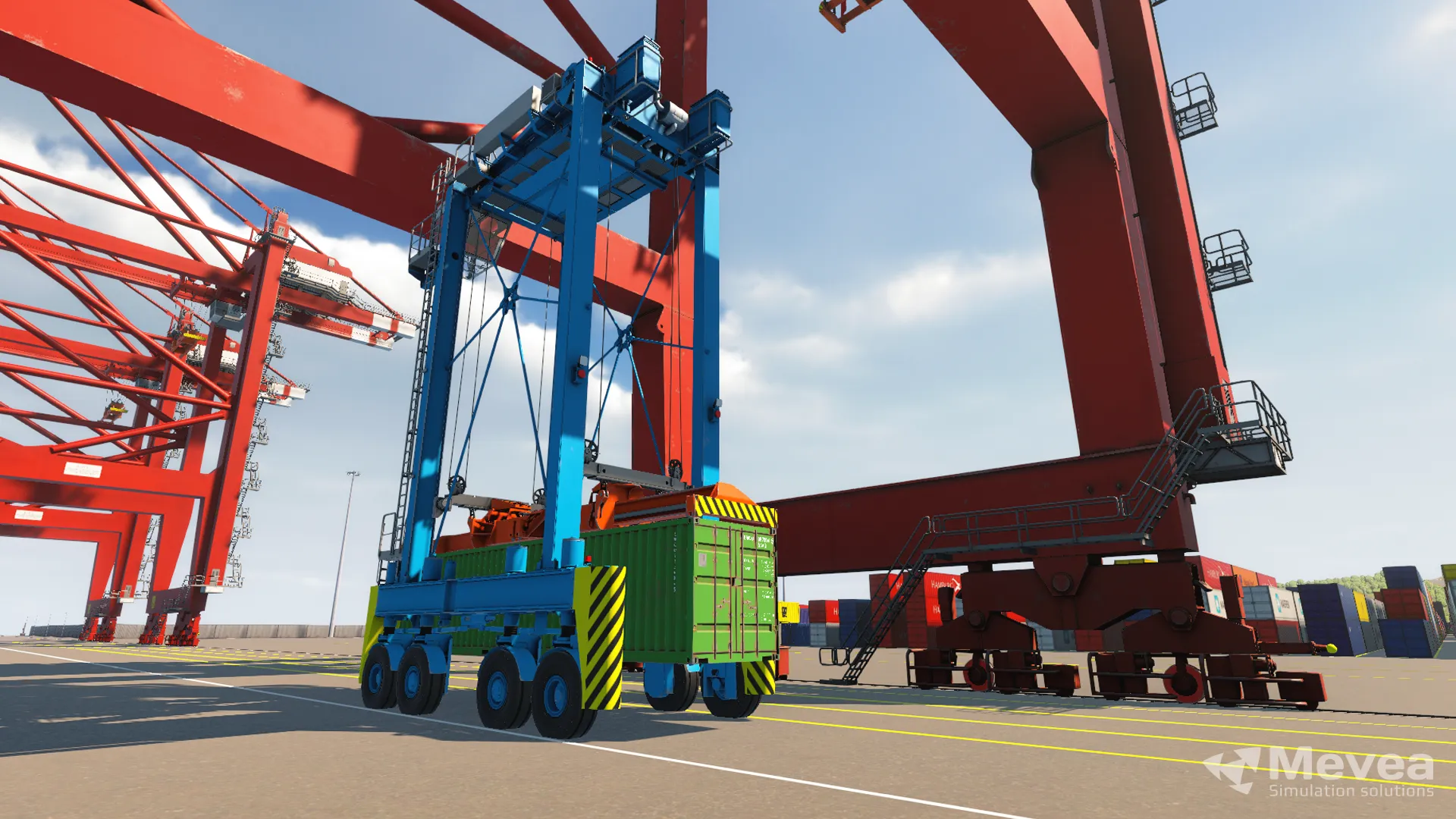
Heavy equipment simulators reduce training costs by eliminating expensive fuel consumption, equipment wear, and operational downtime associated with traditional training methods. Physics-based digital twin technology allows operators to practice extensively without using real machinery, while providing consistent, repeatable scenarios that accelerate learning. These simulators also reduce accident risks and insurance liability costs significantly.
What Makes Heavy Equipment Simulator Training More Cost-Effective Than Traditional Methods?
Heavy equipment simulator training eliminates the substantial operational costs of using real machinery for training purposes. Traditional training requires expensive fuel, causes equipment wear and tear, and removes valuable machines from productive operations. Physics-based digital twin simulators replicate exact machine behaviour without these ongoing expenses.
The immediate cost savings are considerable. Real heavy equipment consumes significant amounts of fuel during training sessions, while simulators operate on standard electrical power. Equipment maintenance costs disappear entirely during simulator training, as there’s no physical wear on expensive hydraulic systems, engines, or mechanical components. Additionally, productive equipment remains available for revenue-generating operations rather than being tied up in training activities.
Long-term benefits extend beyond direct cost savings. Simulator-trained operators develop competency faster through consistent, repeatable training scenarios that aren’t possible with real equipment. Weather conditions, equipment variations, and operational disruptions can interrupt traditional training, but simulators provide uninterrupted learning environments. This consistency reduces total training time requirements and gets operators productive more quickly.
How Do Motion Platform Simulators Justify Their Investment Costs?
Motion platform simulators justify their investment through accelerated learning curves and reduced total training time requirements. The 3 DOF motion platforms and multi-screen setups provide realistic physical feedback that improves skill transfer to real equipment. This enhanced realism means operators require fewer training hours to reach competency levels.
ROI calculations favour motion-based simulators when comparing against traditional training expenses. Equipment rental costs for training purposes can reach thousands of dollars per day, while fuel consumption adds substantial ongoing expenses. A single motion platform simulator can train multiple operators simultaneously without these recurring costs. The motion platform technology ensures training effectiveness matches or exceeds real equipment training.
The investment becomes particularly attractive for high-volume training operations. Training centres and large organisations can process more operators through standardised programmes using motion simulators. The ability to repeat identical scenarios ensures consistent training quality across all operators, something impossible to achieve with real equipment in varying conditions.
Why Do Digital Twin Simulators Reduce Training Accidents and Liability Costs?
Digital twin simulators eliminate physical accident risks entirely by removing operators from dangerous real-world training scenarios. Physics-based simulation technology allows practice of hazardous situations, equipment failures, and emergency responses without any possibility of actual injury, equipment damage, or cargo loss. This complete risk elimination provides substantial liability protection.
Insurance costs often decrease when organisations implement comprehensive simulator-based training programmes. Insurance providers recognise that simulator-trained operators pose lower risks because they have practised emergency scenarios and developed muscle memory for safe responses. The ability to repeatedly practise dangerous situations in simulators means operators are better prepared when encountering real hazards.
Instructors can initiate various incidents during simulator exercises, including equipment faults, extreme weather conditions, and emergency situations. This controlled exposure to dangerous scenarios builds operator confidence and competence without exposing anyone to actual risks. The comprehensive training reduces workplace accidents and associated costs significantly.
What’s the Difference Between Desktop and Motion Platform Simulators for Cost Savings?
Desktop and motion platform simulators each offer distinct advantages depending on your specific training needs and budget requirements. Desktop simulators provide lower initial investment costs and excellent portability for classroom training environments, making them ideal for organisations seeking cost-effective solutions for basic training. Motion platform simulators deliver superior training effectiveness through realistic motion feedback but require higher upfront investment.
Desktop systems excel in high-volume basic training scenarios where multiple operators need fundamental skills development. These systems can be easily transported between locations and set up quickly in various training environments. The lower cost per unit allows organisations to deploy multiple desktop simulators for simultaneous training of larger groups, making them particularly suitable for widespread basic operator training programmes.
Motion platform simulators justify their higher costs through improved training effectiveness and reduced total training time. The 3 DOF motion platforms and multiple screens create immersive experiences that transfer skills more effectively to real equipment. For advanced operator training or scenarios requiring precise machine control, motion simulators provide excellent ROI through enhanced learning outcomes.
The total cost of ownership analysis should consider training throughput capacity, effectiveness measurements, and long-term operational requirements. Desktop simulators work well for introductory training, while motion platforms excel for advanced skill development and specialised equipment training where realistic feedback is essential for competency development.
Choosing the right heavy equipment simulator depends on balancing initial investment against training effectiveness and operational requirements. Our physics-based digital twin technology ensures both desktop and motion platform solutions provide significant cost savings compared to traditional training methods while delivering superior learning outcomes for operators across various skill levels. To learn more about our complete range of heavy equipment training simulators or discuss your specific training needs, please contact our team.
This content was generated with the help of AI and it may contain mistakes