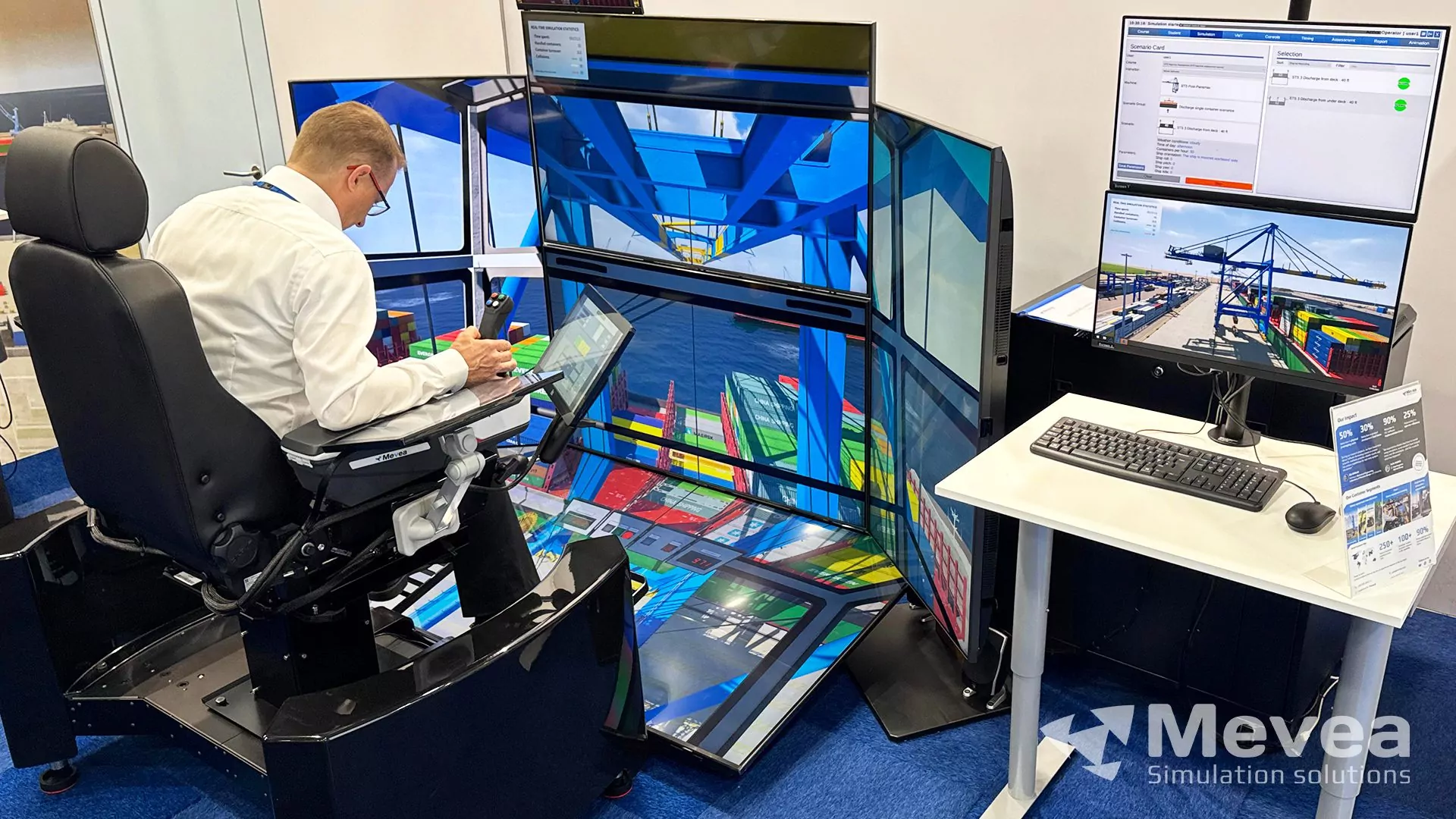
Simulation technology training transforms how operators learn by creating realistic, risk-free environments where they can build skills through hands-on practice and instant feedback. Mevea’s advanced simulation solutions demonstrate how cutting-edge technology can revolutionize operator development programs. Unlike traditional training on actual equipment, simulator-based training lets learners master complex maneuvers and emergency scenarios without worrying about safety risks or damaging expensive machinery. This approach speeds up skill development while giving you concrete performance data that shows real improvements in operational efficiency, safety awareness, and decision-making.
What Makes Simulation Technology So Effective for Operator Training?
Simulation training works because it recreates authentic operational experiences using advanced physics modeling—but without any real-world consequences. Trainees build muscle memory and sharpen their decision-making skills in controlled conditions that feel just like operating actual equipment, so what they learn transfers directly to real operations.
The effectiveness comes down to three key elements. First, realistic physics engines simulate exactly how heavy machinery responds to your inputs, environmental changes, and load dynamics. This authenticity means trainees get the same sensory feedback and face the same operational challenges they’ll encounter on real equipment. Second, safe learning environments eliminate the stress that comes with potentially costly mistakes, letting trainees experiment and learn from errors without damaging equipment or putting anyone at risk.
Third, and perhaps most importantly, you get unlimited practice opportunities. While traditional training limits practice time because of equipment availability and operational costs, simulation training technology lets trainees repeat specific scenarios as many times as needed. They can practice that same challenging maneuver dozens of times until they’ve got it down perfectly—something that’s just not possible with real equipment that’s tied to production schedules.
How Does Simulation Training Speed up Operator Skill Development?
Simulation training cuts time-to-competency through instant feedback and progressive difficulty levels. Trainees get immediate performance data after each exercise, so they can correct their technique right away instead of reinforcing bad habits. This accelerated learning cycle compresses what used to take months of traditional training into just weeks of focused practice.
This acceleration happens in several ways. Instant feedback systems flag errors as they happen, helping trainees understand the direct connection between their actions and the results. Progressive difficulty scaling lets instructors introduce complexity gradually, building confidence before moving on to tougher scenarios. And because there are no resource constraints, trainees can practice complex maneuvers and emergency situations over and over until they nail it every time.
We’ve built our training simulators for port equipment around this accelerated learning approach. Trainees working with Ship-to-Shore cranes, RTG units, or reach stackers can practice container handling operations continuously, experiencing different weather conditions, equipment setups, and operational challenges that would normally take months to encounter. This concentrated exposure to diverse scenarios builds competency much faster than traditional methods.
What Specific Training Outcomes Improve with Simulation Technology?
You’ll see measurable improvements across operational efficiency, safety awareness, equipment handling precision, and situational decision-making. Operator performance improvement shows up through higher productivity metrics, fewer errors, increased confidence, and consistent competency levels—regardless of trainer differences or equipment availability.
Operational efficiency improves because trainees develop smooth, coordinated movements through repeated practice. They learn optimal positioning, efficient load handling techniques, and time-saving operational sequences that experienced operators use naturally. Safety awareness increases as trainees experience the consequences of unsafe practices in virtual environments, creating lasting impressions without any real-world incidents.
Equipment handling precision develops through consistent feedback on positioning accuracy, load stability, and movement control. Digital twin training technology gives you objective measurements of performance parameters that would be tough to assess during traditional training. Situational decision-making abilities get stronger as trainees work through complex scenarios that require judgment calls about weather conditions, equipment limitations, and operational priorities. Standardized competency assessment ensures all operators meet the same performance benchmarks before they move to real equipment.
Why Is Simulation Training Safer than Traditional On-Equipment Methods?
Simulation training eliminates physical injury risks, prevents equipment damage during learning, and lets trainees practice dangerous scenarios without any consequences. They can experience equipment failures, bad weather, and emergency situations in completely safe environments, building critical response skills before facing real-world challenges.
The safety benefits go well beyond just preventing injuries. Traditional training on operational equipment creates stress for both trainees and instructors—everyone knows that mistakes could lead to serious accidents or expensive damage. This anxiety actually hurts learning, since stressed people struggle to retain information and develop skills. Simulation removes this psychological barrier, so trainees can focus entirely on building their skills.
Training for dangerous scenarios offers a unique safety advantage. Trainees can practice responding to hydraulic failures, brake malfunctions, extreme wind conditions, or load shifts—situations that are way too risky to recreate with real equipment. This preparation proves invaluable when unexpected situations come up during actual operations. Our heavy machinery operator training simulators include comprehensive emergency scenario libraries that prepare operators for rare but critical situations they might never face during traditional training.
How Do Organizations Measure the Effectiveness of Simulation-Based Training?
Organizations evaluate simulation training effectiveness through competency testing, transfer-of-training metrics, incident rate tracking, and productivity comparisons. Instructor monitoring capabilities and automated performance analytics provide hard data showing skill progression, readiness for real equipment operation, and long-term performance outcomes.
Key performance indicators include completion times for standardized tasks, positioning accuracy measurements, error frequency tracking, and safety protocol adherence rates. These objective metrics eliminate guesswork in assessment, providing consistent evaluation no matter which instructor is doing the testing. Transfer-of-training metrics compare simulator performance with subsequent real-equipment operation, proving that skills developed virtually actually translate to productivity improvements.
Incident rate tracking provides compelling evidence of training simulation benefits. Organizations compare accident frequencies, equipment damage incidents, and near-miss reports before and after implementing simulator training programs. Productivity comparisons measure container moves per hour, fuel efficiency, and equipment utilization rates between simulator-trained and traditionally-trained operators. Automated performance analytics within instructor stations capture detailed data throughout training sessions, identifying specific skill gaps that need additional practice and documenting competency progression over time. Mevea’s comprehensive training solutions deliver measurable results that transform operator development programs across industries. To learn more about implementing simulation training for your operations, contact our team for consultation.
This content was generated with the help of AI and it may contain mistakes