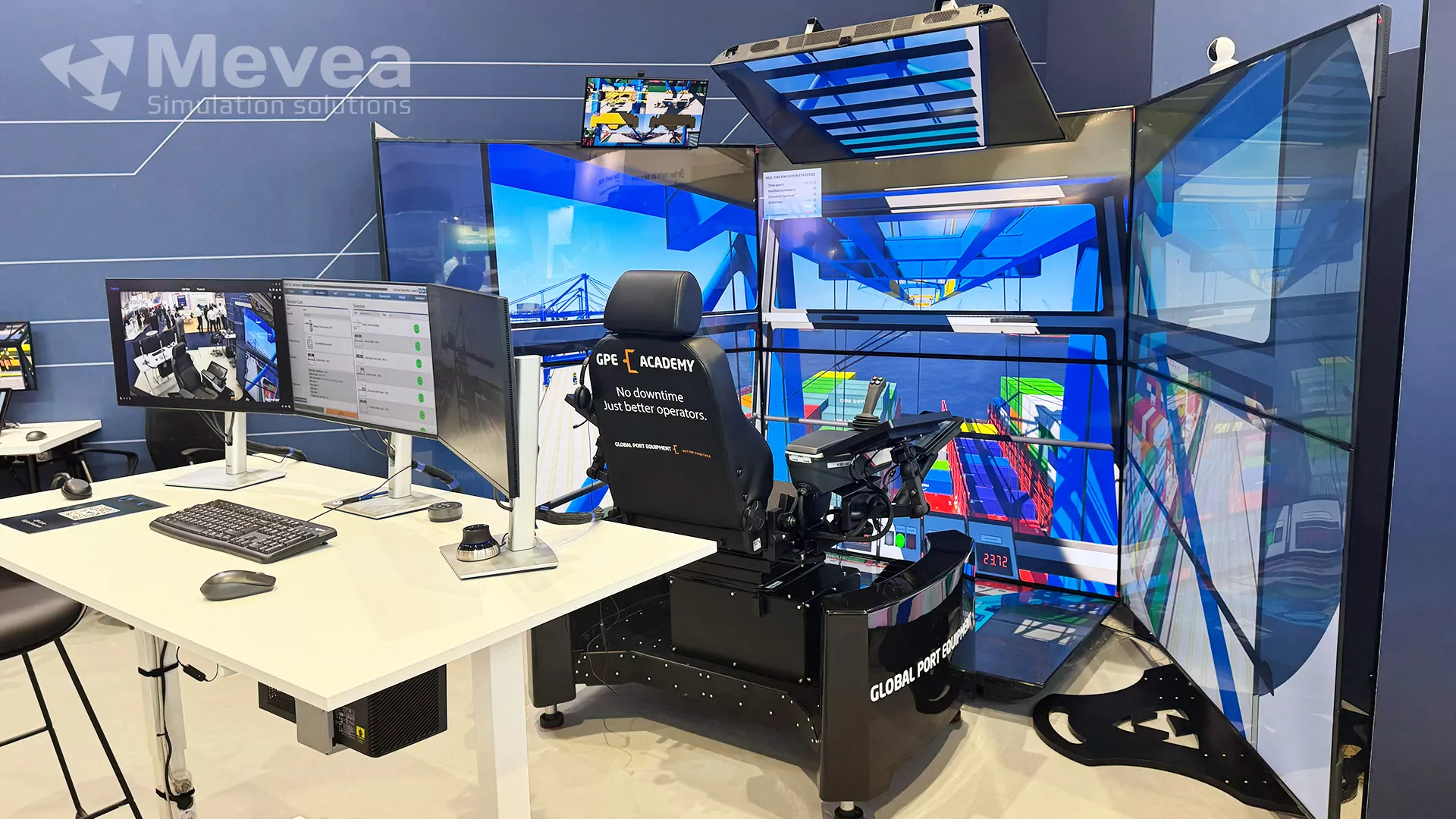
Port equipment operator training typically takes 2–8 weeks, depending on equipment complexity and training methods. Basic container handlers require 2–3 weeks, while advanced STS crane operators need 6–8 weeks of comprehensive training. Physics-based simulator training can reduce these timeframes by 30–50% compared with traditional on-equipment methods, while maintaining safety and competency standards through realistic training environments.
What Factors Determine How Long Port Equipment Operator Training Takes?
Equipment complexity is the primary factor determining training duration. STS cranes and RTG systems require extended training periods due to their sophisticated hydraulic controls, safety protocols, and precision requirements. Operators must master multiple simultaneous tasks, including load handling, accurate positioning, and coordination with ground personnel.
Prior operator experience significantly affects training timeframes. Candidates with heavy equipment backgrounds typically complete port training programs 40–60% faster than newcomers. Their existing knowledge of hydraulic systems, spatial awareness, and machine-operation principles provides a solid foundation for developing port-specific skills.
Certification requirements vary by region and equipment type, affecting overall training duration. Some jurisdictions mandate minimum training hours regardless of operator proficiency, while others focus on competency-based assessments. Mevea simulator solutions help meet these requirements efficiently by providing consistent, repeatable training scenarios that traditional methods cannot match.
How Does Simulator Training Compare to Traditional On-Equipment Training for Speed and Effectiveness?
Physics-based simulator training reduces operator training time by 30–50% compared with conventional equipment-based methods. Simulator technology allows operators to practise complex scenarios repeatedly without equipment downtime, weather delays, or safety concerns that typically disrupt traditional training schedules.
Mevea simulator solutions provide immediate feedback and performance tracking that accelerates learning. Operators experience realistic hydraulic responses, load dynamics, and environmental conditions through advanced physics engines. This builds muscle memory and operational confidence faster than classroom-based training or desktop simulator approaches.
Traditional training faces significant limitations, including equipment availability, fuel costs, and safety restrictions during learning phases. Our heavy equipment training simulators eliminate these constraints while providing consistent training quality. Operators can safely practise emergency procedures, adverse weather conditions, and equipment failures—scenarios that are difficult or dangerous to recreate with real equipment.
What Are the Typical Training Timeframes for Different Types of Port Equipment?
STS crane operator training requires 6–8 weeks for comprehensive competency development. These complex systems demand mastery of spreader operations, container positioning, and vessel-coordination protocols. Simulator training can reduce this to 4–5 weeks through intensive, focused practice sessions.
RTG and RMG crane training typically takes 4–6 weeks, depending on yard complexity and stacking requirements. Operators must develop spatial awareness for precise container placement and efficient yard navigation. Mevea simulator solutions excel at teaching these skills through realistic physics feedback.
Mobile harbour cranes, reach stackers, and container handlers generally require 2–4 weeks of training. These machines have more straightforward operation but still demand proper load-handling techniques and mastery of safety protocols. Physics-based simulator training enables accelerated skill development through concentrated practice without concerns about equipment wear.
Why Do Some Operators Learn Faster Than Others in Port Equipment Training Programs?
Individual learning styles significantly affect training speed and effectiveness. Visual learners benefit from simulator displays and real-time feedback systems, while kinesthetic learners excel with Mevea simulator technology that provides physical movement cues. Traditional training methods cannot accommodate these different learning preferences as effectively.
Spatial awareness varies considerably between individuals, affecting the development of crane and container-handling proficiency. Some operators naturally understand three-dimensional relationships and load dynamics, while others require additional practice time. Simulator environments allow unlimited repetition of challenging scenarios without cost penalties.
Confidence levels strongly influence learning progression. Operators who feel secure in controlled simulator environments often advance faster than those learning on expensive, potentially dangerous equipment. Realistic simulator training builds confidence through safe practice of emergency procedures and challenging operational scenarios that prepare operators for real-world conditions.
How Can Ports Reduce Operator Training Time Without Compromising Safety or Competency?
Advanced simulator technology offers the most effective approach to reducing training time while maintaining safety standards. Simulator systems provide unlimited practice opportunities with immediate performance feedback, allowing operators to master skills faster than traditional methods permit.
Structured curriculum design maximises learning efficiency through progressive skill-building. Starting with basic operations in simulator environments and then advancing to complex scenarios ensures a solid foundation. Real-time performance tracking identifies areas requiring additional focus, preventing time being wasted on already mastered skills.
Integrating Mevea simulator solutions creates realistic training experiences that transfer directly to real equipment operation. Operators develop proper muscle memory and operational instincts without the delays, costs, and safety concerns associated with traditional training methods. This approach reduces overall training duration while improving final competency levels.
Port equipment operator training timeframes depend heavily on equipment complexity, individual learning factors, and training methodology choices. Physics-based simulator training offers significant advantages over traditional approaches, reducing training time while improving safety and competency outcomes. Our Mevea simulator solutions provide the realistic training environments modern ports need for efficient, effective operator development programs. For more information about implementing these solutions, please contact our sales team today.
This content was generated with the help of AI and it may contain mistakes