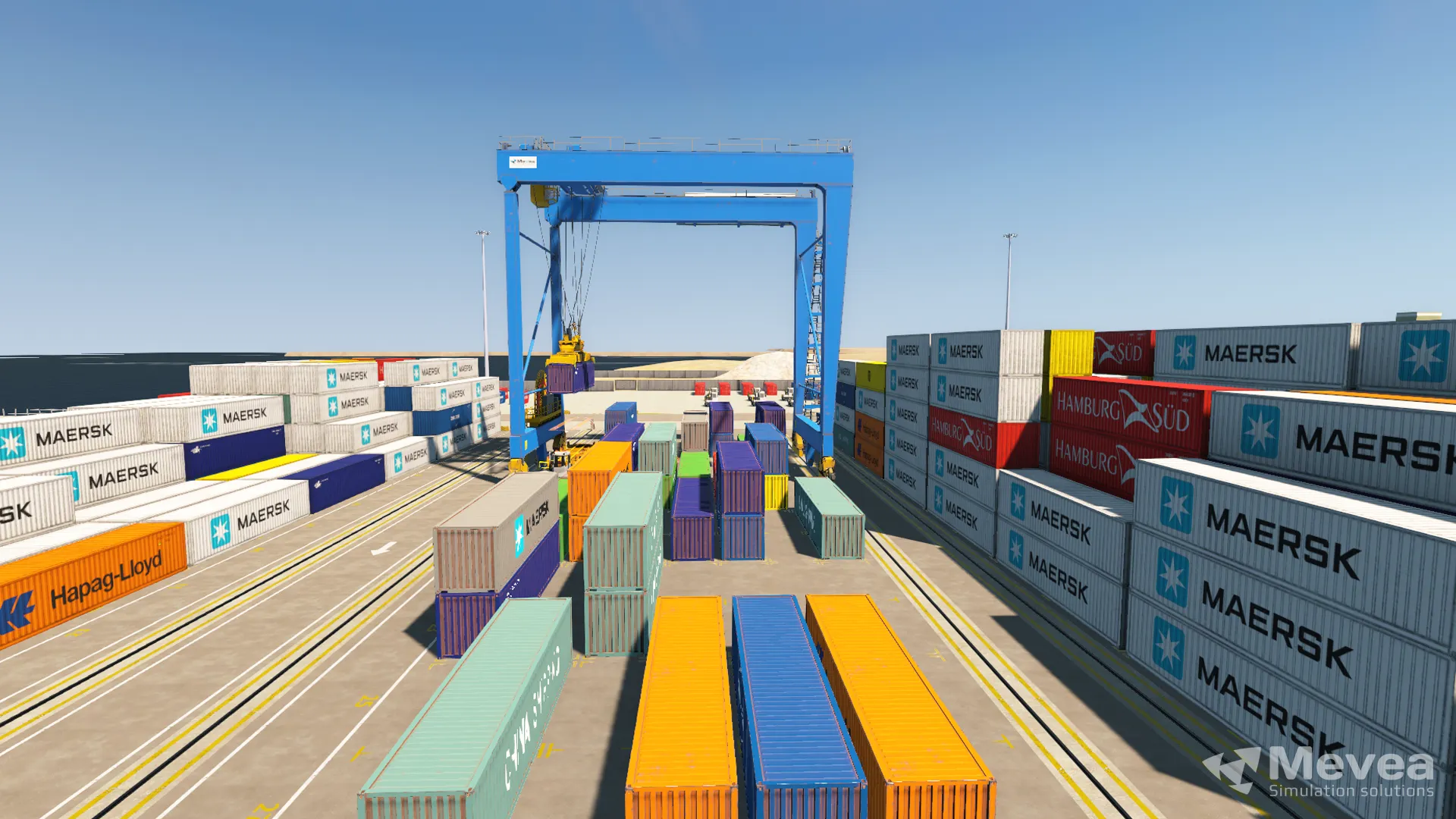
STS crane simulator training helps ports prepare for expansion by accelerating operator readiness, reducing on-equipment training risk, and building the skilled workforce needed to handle increased vessel throughput from day one. For container terminals adding new ship-to-shore cranes or scaling up berth capacity, simulator training compresses the learning curve significantly without disrupting live operations. The questions below unpack exactly how that works in practice.
How does STS crane simulator training prepare operators for expanded terminal capacity?
STS crane simulator training prepares operators for expanded terminal capacity by replicating the exact conditions they will face on new equipment before the cranes are even commissioned. Operators can practice high-cycle loading and unloading sequences, handle larger vessel classes, and build muscle memory for precise spreader control in a risk-free environment that mirrors real terminal operations.
Port expansion typically introduces new crane models, updated operating procedures, and higher throughput targets all at once. Simulator training lets you front-load that learning. Operators work through realistic scenarios involving different container stacks, varying vessel drafts, and congested apron conditions before they ever climb into a live cab. By the time the new STS cranes go operational, trained operators are already familiar with the equipment behavior, the terminal layout, and the performance expectations tied to expanded capacity.
Physics-based simulator technology is central to this preparation. A high-fidelity ship-to-shore crane simulator replicates the dynamic behavior of real cranes, including load swing, wind effects, and hydraulic response, so operators develop accurate judgment rather than just procedural familiarity. That depth of preparation translates directly into faster ramp-up when the terminal opens its expanded berths.
What safety risks does simulator training reduce during port expansion?
Simulator training reduces the safety risks associated with inexperienced operators working on live equipment during a period when terminal activity is already elevated and margins for error are narrower. The highest-risk moments in port expansion are when new operators meet new cranes in a busy, high-pressure environment. Simulator training removes that collision of unknowns.
Specific risks that container terminal training on a simulator addresses include:
- Load swing incidents caused by operators misjudging trolley speed or braking distance
- Collision with vessel structures when operators are unfamiliar with the reach and clearance of a new crane model
- Apron accidents involving ground staff during poor-visibility or night operations
- Emergency response errors when operators have not practiced fault conditions or sudden load drops
Simulator environments allow operators to encounter and recover from these exact scenarios repeatedly, building the correct instinctive responses before they matter in the real world. This is especially valuable during expansion phases when a terminal may be onboarding a significant number of new operators simultaneously and cannot afford to dedicate experienced supervisors to one-on-one live mentoring at scale.
How much does STS crane simulator training cost compared to on-equipment training?
STS crane simulator training costs significantly less per operator than equivalent on-equipment training when you account for the full cost picture. On-equipment training ties up a productive crane, consumes fuel, increases wear, and carries the cost of potential damage. Simulator training eliminates all of those ongoing costs after the initial hardware investment.
The cost comparison becomes even more favorable during port expansion. New cranes entering service are under the highest operational pressure, and pulling them out of rotation for training directly reduces terminal throughput. A simulator absorbs the training load without touching live productivity. Operators can train in parallel with commissioning activities, at night, or during weather downtime, none of which is practical with real equipment.
Hardware investment in heavy equipment training simulators varies depending on the level of fidelity required. Desktop simulators offer a cost-effective entry point with a small footprint, making them well suited to classroom-based instruction, basic skills development, and group training. Full-cab Mevea simulator solutions with motion platforms deliver realistic physical feedback and support muscle memory development for advanced skill building. Across all configurations, the total cost per trained operator decreases sharply as the simulator is used repeatedly over its operational life, making the investment increasingly efficient as an expansion program scales.
What skills can operators realistically develop on an STS crane simulator?
Operators can realistically develop a broad range of practical crane operating skills on a ship-to-shore crane simulator, including spreader positioning, load control, anti-sway technique, communication protocols, and emergency response. Modern physics-based simulators replicate crane dynamics accurately enough that skills transfer directly to real equipment performance.
Skills that transfer well from simulator to a live crane include:
- Precise container pick-and-place across different bay and row configurations
- Load swing management using correct trolley acceleration and deceleration profiles
- Situational awareness on the apron, including truck positioning and ground crew coordination
- Night and adverse weather operations in wind and reduced visibility conditions
- Fault recognition and response when equipment behaves abnormally
- High-cycle efficiency under time pressure to build productivity habits from the start
What simulators do not fully replicate is the physical sensation of height and the ambient noise of a live terminal. Experienced operators note these as minor adjustments when transitioning from simulator to real equipment, not barriers to performance. The core operational competencies built in simulator training transfer reliably.
When should ports integrate simulator training into an expansion project?
Ports should integrate simulator training into an expansion project at the planning stage, well before new cranes arrive on site. Starting simulator-based crane operator training six to twelve months ahead of commissioning gives operators enough time to build genuine proficiency rather than just basic familiarity with the equipment.
In practice, the optimal integration timeline looks like this:
- Planning phase: Identify the operator headcount needed for expanded capacity and assess the training gap between current workforce skills and new operational requirements
- Pre-commissioning phase: Begin simulator training configured to the specific crane models being installed, so operators learn the exact equipment behavior they will encounter
- Commissioning phase: Use the simulator for refresher training and to onboard any remaining operators while live cranes are still being tested and calibrated
- Post-launch phase: Continue using the simulator for ongoing competency checks, new hire induction, and advanced skill development
Ports that treat simulator training as a commissioning afterthought rather than a project component consistently report slower ramp-up to target throughput. Integrating it early turns operator readiness into a planned deliverable rather than a reactive problem.
How do port operators measure the productivity impact of simulator training?
Port operators measure the productivity impact of simulator training primarily through moves per hour, the standard metric for crane operator performance in container terminals. Operators who complete structured simulator programs consistently reach target moves-per-hour benchmarks faster than those trained exclusively on live equipment, because they arrive at the crane already familiar with the control inputs and operational sequences.
Beyond moves per hour, terminals track several supporting indicators to assess port simulator benefits:
- Time to competency: How quickly a new operator reaches independently certified status on live equipment
- Incident rate: Near-miss and damage events during the first months of live operation, which tend to be lower for simulator-trained operators
- Crane utilization: The proportion of scheduled operating time lost to operator-caused delays or errors
- Training throughput: How many operators can be brought to readiness within the expansion timeline without disrupting live terminal operations
We recommend that terminals establish a baseline measurement before simulator training begins so the improvement is visible and attributable. Instructor station tools built into simulator platforms support this by logging operator performance data across every training session, giving training managers objective evidence of skill progression and a clear picture of when each operator is ready for live equipment.
Ready to build your operator training program?
Whether you are planning a terminal expansion, commissioning new STS cranes, or looking to accelerate workforce readiness, the Mevea sales team can help you identify the right simulator configuration for your operational requirements and training objectives. Contact us today to discuss your project, request a demonstration, or get a tailored proposal for your port.
This content was generated with the help of AI and it may contain mistakes