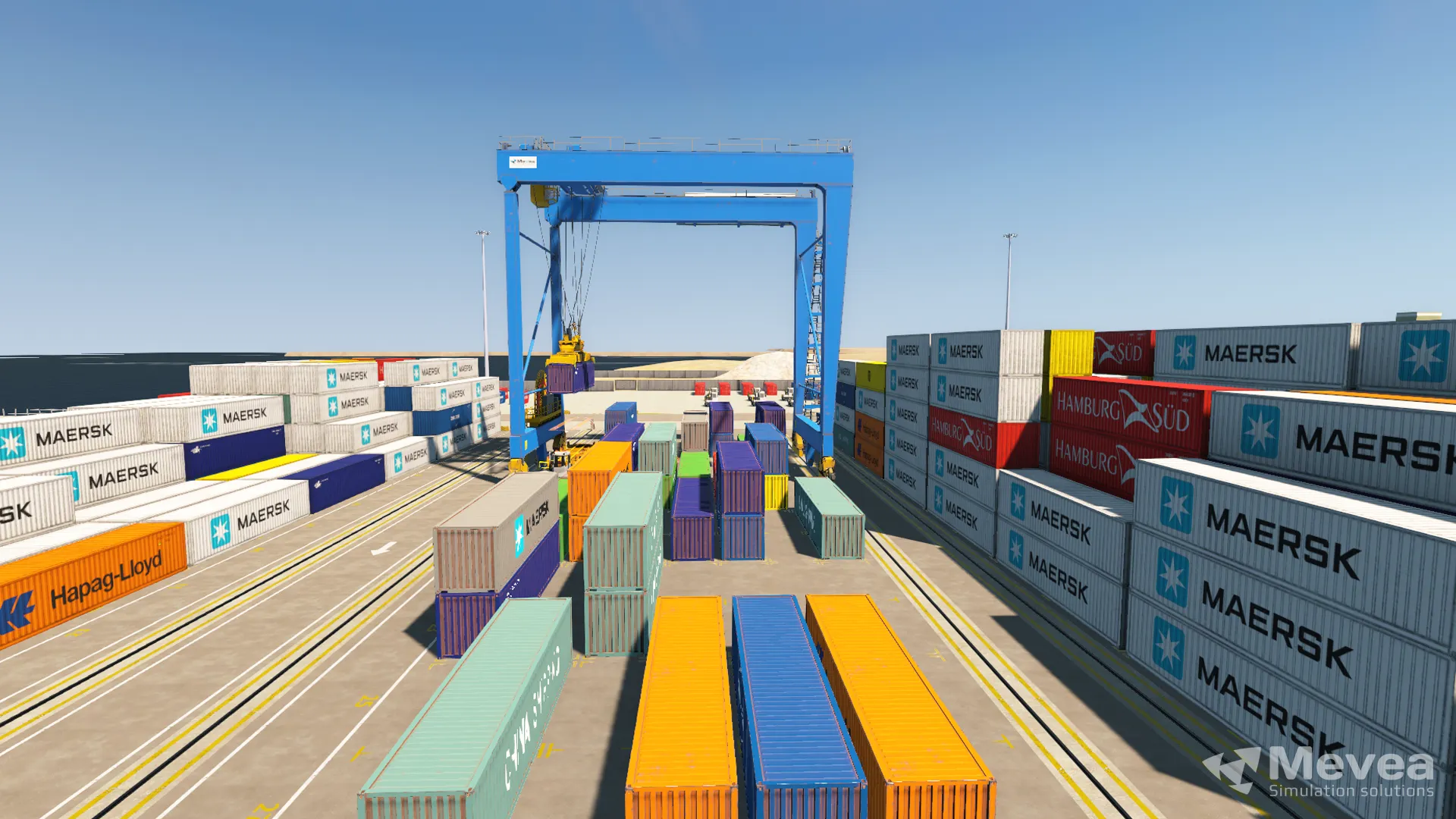
Measuring operator effectiveness requires tracking specific performance indicators that demonstrate skill, safety, and productivity. Key metrics include productivity measures such as moves per hour and cycle times, safety indicators such as incident rates, and efficiency measures including fuel consumption and equipment utilisation. Understanding these operator effectiveness metrics helps port operators optimise training programmes and improve overall operational performance.
What Are the Most Important Metrics for Measuring Operator Effectiveness?
The most critical operator effectiveness metrics fall into three categories: productivity, safety, and efficiency. Productivity metrics include moves per hour, cycle times, and task completion rates. Safety metrics track incident rates, near misses, and adherence to safety protocols. Efficiency measures monitor fuel consumption, equipment utilisation rates, and maintenance requirements.
For container handling equipment operators and port training, productivity measures provide immediate insight into operator competence. Moves per hour indicates how efficiently operators handle containers using cranes, reach stackers, or RTG equipment. Cycle times reveal consistency and skill development, while task completion rates show overall performance reliability.
Safety metrics remain paramount in port operator performance evaluation. Incident rates and near-miss reporting help identify training needs and risk factors. These measures protect both personnel and equipment while maintaining operational continuity.
Efficiency indicators demonstrate long-term operator value. Fuel consumption patterns reveal operator smoothness and technique quality. Equipment utilisation rates show how effectively operators maximise crane and container handling equipment potential without causing unnecessary wear or downtime.
How Do You Measure Operator Skill Development in Simulator Training?
Measuring simulator training effectiveness focuses on learning-curve progression, skill retention rates, and competency benchmarks. Simulator technology enables precise tracking of operator improvement through physics-based training environments that capture detailed performance data unavailable through traditional training methods.
Mevea simulator solutions provide comprehensive data collection during training sessions. Our heavy equipment training simulators capture subtle operator inputs, reaction times, and decision-making patterns. This detailed measurement capability allows trainers to identify specific skill gaps and track improvement over time.
Learning-curve analysis shows how quickly operators master new techniques and equipment controls. Skill retention measures evaluate knowledge persistence between training sessions. Competency benchmarks establish clear standards for certification and ongoing assessment.
The simulator approach offers unique advantages for operator skill assessment. Real-time physics engines simulate authentic equipment behaviour, providing realistic feedback that translates directly to actual crane and container handling operation. This creates more meaningful training metrics with comprehensive data analytics.
What’s the Difference Between Traditional and Simulator-Based Performance Measurement?
Traditional performance measurement relies on on-equipment assessment with limited data collection capabilities and safety constraints. Advanced simulator metrics provide comprehensive analytics in risk-free environments, capturing detailed performance data that is impossible to gather during real equipment operation without disrupting productivity.
Conventional assessment methods require the use of actual port equipment, creating safety risks and operational disruptions. Traditional measurement often relies on subjective observation and basic timing metrics. Equipment availability limits assessment frequency, and real-world conditions can skew results.
Mevea simulator solutions eliminate these limitations through controlled, repeatable assessment environments. Our container handling training simulators capture precise operator inputs, equipment responses, and environmental interactions. This comprehensive data collection enables detailed performance analytics and objective skill evaluation.
Simulator-based measurement also allows standardised testing conditions. Weather, equipment variations, and operational pressures do not affect assessment accuracy. Trainers can repeat identical scenarios to measure improvement precisely—something impossible with traditional methods.
How Can Companies Track ROI From Operator Training Investments?
Measuring training ROI combines direct cost savings with productivity improvements and safety benefits. Key financial metrics include training cost per operator, productivity improvement percentages, accident reduction rates, equipment downtime savings, and long-term performance sustainability, all of which demonstrate clear training programme value.
Direct cost calculations compare training expenses against operational savings. Reduced fuel consumption, fewer equipment repairs, and decreased accident costs provide measurable financial benefits. Productivity improvements translate directly into revenue increases through higher throughput and efficiency.
Safety improvements offer substantial ROI through reduced insurance costs, fewer work stoppages, and lower liability exposure. Equipment preservation extends machinery life and reduces maintenance requirements. These savings often exceed initial training investments within months.
Long-term sustainability metrics track performance retention and skill degradation rates. Well-trained operators maintain higher performance levels for longer, reducing ongoing training needs. This sustained effectiveness multiplies initial training investments over extended periods.
Measuring operator effectiveness requires comprehensive metrics that capture productivity, safety, and efficiency improvements. Mevea’s physics-based simulator technology provides detailed performance analytics that traditional training methods cannot match, enabling precise measurement of operator development and clear demonstration of training programme ROI through improved operational outcomes. With over 20 years of experience in advanced training simulators and real-time measurement capabilities, we help port operators achieve measurable improvements in operator performance while reducing training costs and safety risks. For more information about implementing these measurement strategies, please contact our sales team.
This content was generated with the help of AI and it may contain mistakes