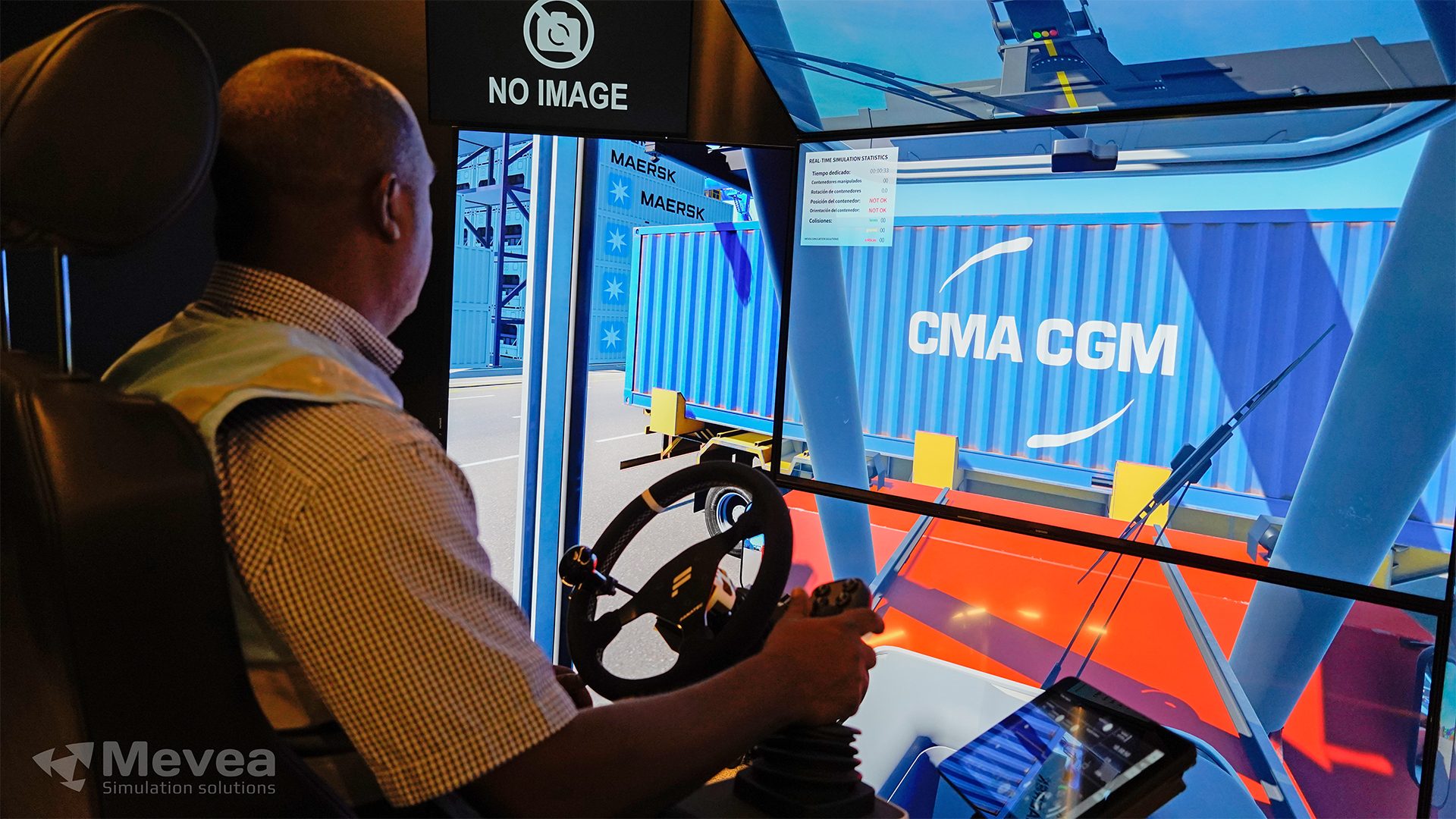
Port operator training simulators represent a critical investment for modern terminals facing unprecedented operational pressures in 2026. Rising training costs, skilled operator shortages, and stringent safety requirements are driving ports worldwide to adopt motion-platform simulators like our Mevea Pro systems. These physics-based digital twin solutions deliver measurable ROI through reduced equipment wear, enhanced safety, and superior skill transfer compared with traditional training methods.
What Makes 2026 the Critical Year for Port Training Modernization?
The convergence of skilled operator shortages, escalating training costs, and technological advancement pressures makes 2026 a pivotal year for simulator adoption. Global supply chain demands require ports to process increasing container volumes while managing higher safety standards and environmental regulations.
Traditional training methods using real STS cranes, RTG systems, and reach stackers create significant operational disruptions. When valuable equipment is used for training purposes, terminals lose productive capacity during peak operational periods. The skilled labour shortage compounds this challenge, as experienced operators needed for training supervision are diverted from revenue-generating activities.
Regulatory bodies increasingly require standardised training documentation and competency verification. Our physics-based simulation technology provides comprehensive reporting systems that track operator performance against predefined safety and productivity metrics. This data-driven approach satisfies compliance requirements while identifying specific skill gaps requiring attention.
How Do Motion-Platform Simulators Reduce Training Costs Compared with Real Equipment?
Motion-platform simulators eliminate fuel consumption, reduce equipment wear, and maintain productive capacity by keeping real machines operational. Terminals typically save $50,000–$100,000 annually per training programme through reduced operational disruptions and equipment maintenance costs.
Real crane training consumes substantial diesel fuel during extended practice sessions. A single STS crane burns approximately $300–$500 worth of fuel per training day. Our Mevea Pro simulators require only electrical power for operation, dramatically reducing energy expenses across multiple trainees and equipment types.
Equipment availability represents another crucial cost factor. When real cranes are used for training purposes, they cannot handle container operations during profitable shipping windows. A typical STS crane generates $2,000–$5,000 in revenue per operational hour. Simulator training maintains 100% equipment availability for productive work while providing unlimited practice opportunities.
Insurance and liability costs decrease substantially when training occurs in controlled virtual environments. Equipment damage during novice operator training can cost tens of thousands in repairs and lost productivity. Simulators eliminate these risks entirely while allowing practice of dangerous scenarios that are impossible to recreate safely with real equipment.
What Safety Advantages Do Physics-Based Simulators Provide for Port Operations?
Mevea’s simulation technology allows operators to practise emergency procedures, equipment failures, and hazardous weather conditions without risking personnel safety or expensive equipment damage. Instructors can initiate realistic incident scenarios including twist-lock problems, high winds, fire emergencies, and pedestrian encounters.
Real equipment training inherently carries accident risks, particularly for inexperienced operators learning complex manoeuvres. Container drops, crane collisions, and structural damage represent constant threats during traditional training. Our simulators provide completely safe learning environments where operators can make mistakes without consequences while developing proper safety responses.
The ability to practise extreme scenarios distinguishes simulator training from conventional methods. Operators can experience severe weather conditions, equipment malfunctions, and emergency situations that would be impossible or dangerous to recreate with actual machinery. This comprehensive preparation significantly improves real-world safety performance.
Detailed performance tracking measures crane movements, joystick precision, collision incidents, and safety-related faults. This data enables instructors to identify specific risk behaviours and provide targeted safety coaching. The enhanced reporting system calculates safety scores based on instructor-defined parameters, ensuring consistent evaluation standards across all trainees.
How Do Different Simulator Platforms Serve Various Training Needs?
The optimal training solution depends on specific operational requirements, budget considerations, and training objectives. Motion-platform systems like Mevea Pro provide realistic physical feedback that develops proper muscle memory and spatial awareness essential for crane operation. The 3-DOF movement simulation replicates actual equipment dynamics, creating immersive training experiences.
Desktop simulators offer distinct advantages including lower initial investment costs, excellent portability for multi-site training programmes, and effective solutions for high-volume basic training scenarios. These systems excel in foundational skills development and theoretical instruction where physical motion feedback is less critical.
Motion platforms deliver enhanced immersion through multiple screens surrounding the operator, combined with realistic sound systems and physical sensations. This comprehensive environment accelerates skill development for complex operational tasks requiring precise spatial awareness and dynamic response capabilities.
Digital control interfaces allow single platforms to train multiple equipment types, from STS cranes to reach stackers and terminal tractors. Quick profile switching maximises training efficiency while providing customizable control layouts adapted to different machinery types. This versatility provides exceptional value for terminals operating diverse equipment fleets.
How Quickly Can Ports See Return on Investment from Simulator Training Programs?
Most ports achieve ROI within 12–24 months through reduced training costs, decreased accident rates, improved operator productivity, and lower equipment maintenance expenses. Simulator-trained operators typically perform more moves per hour due to enhanced skill development and confidence.
Direct cost savings accumulate rapidly across multiple areas. Fuel elimination, reduced equipment wear, maintained productive capacity, and decreased insurance claims contribute to immediate financial benefits. A medium-sized terminal training 20 operators annually can save $75,000–$150,000 in direct costs during the first year.
Productivity improvements deliver ongoing revenue benefits. Better-trained operators work more efficiently, reducing ship turnaround times and increasing terminal throughput capacity. Even modest productivity gains of 10–15% translate into substantial revenue increases for busy terminals handling thousands of container moves monthly.
The comprehensive training capabilities enable faster operator certification and reduced supervision requirements. New hires reach productive competency levels weeks earlier than traditional training methods allow. This acceleration reduces labour costs while improving operational reliability during peak demand periods.
Our physics-based digital twin technology represents the most advanced simulation solution available, providing unmatched training effectiveness and measurable business benefits. The combination of realistic training environments, comprehensive safety preparation, and detailed performance analytics makes heavy equipment training simulators essential investments for forward-thinking port operations preparing for future challenges. For more information about implementing these solutions at your terminal, please contact our team.
This content was generated with the help of AI and it may contain mistakes